 11
11
Meta has entered the race for frontier AI models with two new releases. The Meta Muse Wonder launch took place on October 12, 2026, and it marks a sharp turn in company strategy. Meta unveiled Muse Wonder and Muse Wonder Full, two models built for long-running personal and agentic work.
The company describes them as its most capable models yet. The shift matters because Meta spent years championing open models, and these new models are fully closed. Access and pricing favor developers and paying subscribers first. This article explains what was announced, who can use each model right now, and how the market reacted.
The announcement came from Meta Superintelligence Labs, the AI research group led by Alexandr Wang. It named two models. Muse Wonder is the standard model, described by Meta as state-of-the-art for real-world coding and built for long-running tasks. Muse Wonder Full is the stronger model, tuned for the hardest and longest-running jobs with maximum reasoning effort.
Both models target agentic work. That means coding, legal and financial analysis, and multi-step tasks where the model uses tools and keeps working until the job is done. The specs are serious on paper, with a context window of one million tokens and support for text, images, video, audio, and PDF input.
The biggest surprise is the license. Neither model ships with open weights. That is a clear break from the Llama era, when Meta gave away model weights for anyone to download. Wonder follows the closed playbook of Claude and GPT, with access only through Meta APIs and apps, which VentureBeat analysis call it a significant shift for the company.
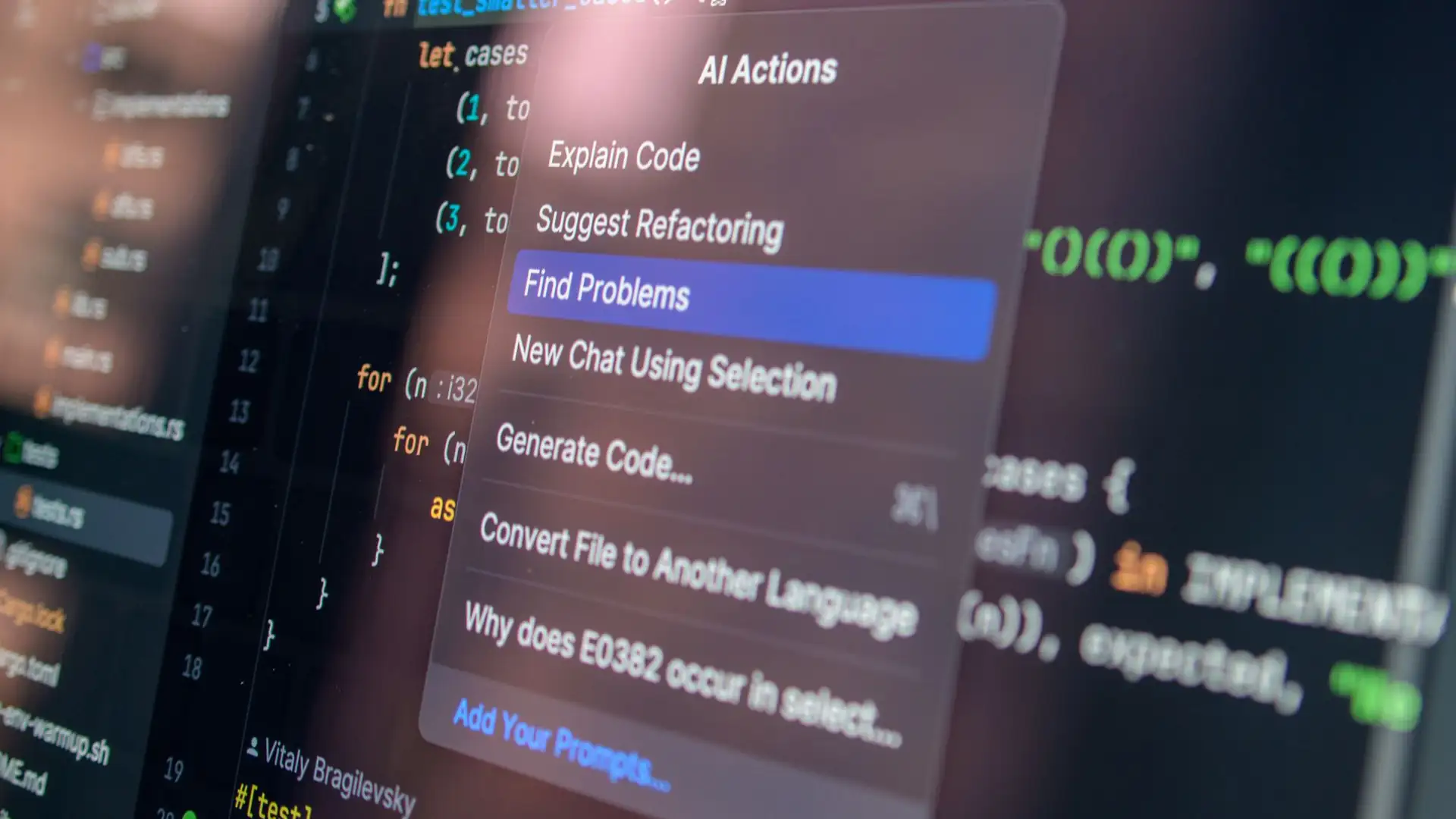
The two models have very different access paths. Muse Wonder is available today through the Meta Model API and inside Muse Code, the Meta AI coding tool. API pricing is 4 dollars per million input tokens and 20 dollars per million output tokens, which matches the list price of Anthropic Claude Opus 5.5.
Muse Wonder Full is harder to reach. It is not served through the API at all. You only get it inside Muse Code on the 50 and 200 dollar a month Power Usage and Maximum Usage plans. Setting reasoning effort to max on regular Wonder does not switch you to Full.
For everyday users, the consumer story is still ahead. Meta says Wonder will soon power more of the Muse personal agent experience, rolling out first to subscribers. The company has not given a timeline, so non-developers will have to wait.
Meta built these models for work that runs long. Coding is the headline use case, but the company also points to legal work, finance, health, and business automation. Meta says the models carry features called Active Memory and Active Focus, designed to keep long tasks on track.
In Meta’s own 14-row benchmark table, the Wonder family leads 7 rows, Claude Opus 5.5 leads 6, and GPT 6 Astra leads 1. Most of the Wonder wins come from Wonder Full, the model you cannot buy through the API, so treat vendor benchmarks with care.
Independent testing tells a closer story. On the Artificial Analysis Intelligence Index, Wonder Full scores 56, tying Claude Sonnet 5.5, while standard Wonder scores 52. Only Claude Opus 5.5 scores higher among the compared models, at 58. Systems like Gemini 4 Argon and rival OpenAI models sit within a few points, so the field is tight.

Investors liked the news. Meta shares rose about 3.4 percent on October 12, closing at 742.96 dollars, on a day the Nasdaq fell. Reuters reported the gain ran near 4 percent in afternoon trading. The rally continued the next day as analysts raised price targets.
The move was strong but not wild. When Meta launched the Muse personal agent in September, shares jumped 11 percent in a single day, so investors had already priced in much of the turnaround. Per the market reaction story, subscriptions rather than cheap API tokens are the business model Meta is betting on.
Three days after the Wonder launch, Meta released Muse Spark Open, an 816 billion parameter open-weight model you can download and run yourself. The names sound similar, but the products are opposites. Wonder is closed and served through Meta. Spark Open is open and runs anywhere.
If you want to build with frontier models on Meta infrastructure, Wonder is your product. If you want to download weights and control your own stack, read our explainer on Muse Spark Open instead.
The Meta Muse Wonder launch gives Meta its first credible entry in the frontier model race. Developers get Muse Wonder through the API today. Serious subscribers get Wonder Full inside Muse Code. Everyone else waits for the Muse agent rollout. Benchmarks put the family close to the best of OpenAI and Anthropic, though the strongest results come from the model you cannot buy by the token.
If you write code for a living, the next step is simple. Run 30 to 50 real tasks on the Meta Model API next to your current model and compare success rate and cost per finished task.