
 11
A report can sound like a done deal even when it proves almost nothing, and that is exactly why the OpenAI Google AI chips 2026 story needs a slow and careful read. The Information reported that OpenAI plans to buy AI chips from Google, and Reuters carried that report to a wider audience. The headline is bold, but the details behind it are thin. This guide walks through what the report actually says, what it leaves out, and what would need to happen before anyone can call this a confirmed purchase.
According to Reuters, The Information reported on Oct 27, 2026, that OpenAI plans to buy Google AI chips. The report cited a person familiar with the matter as its source. That single-source detail matters because readers cannot see the underlying documents or hear directly from the companies involved. The report disclosed no financial terms and no other details about timing, volume, or chip models.
The report also made clear where company confirmation stands. According to Reuters, Google did not immediately respond to a request for comment, and OpenAI declined to comment. Reuters also noted that it could not immediately verify the report. In plain terms, the public record right now contains a report about a plan, not a joint announcement, a signed agreement, or a confirmed order.
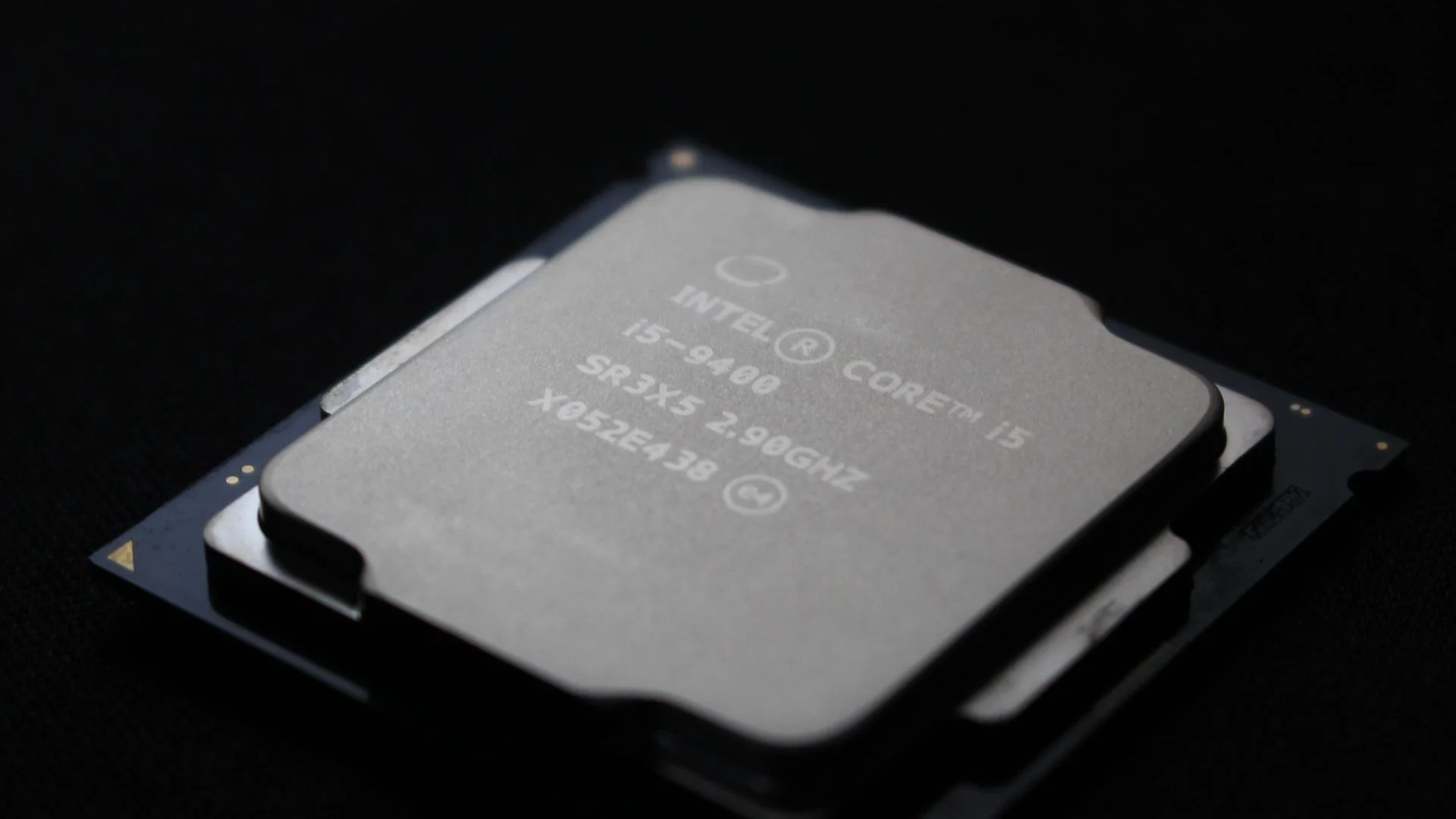
AI models need large amounts of computing power for training and for everyday use. Chips sit at the center of that work, and access to enough chips can shape how fast a company can build, test, and run new models. That is why a possible purchase by a major AI lab draws attention even before any terms appear. A shift in chip supply could also matter for costs, delivery timelines, and long-term planning.
Readers should still separate interest from proof. A plan can change, shrink, or stall, and a report about a plan is not the same as a completed deal. The useful question is not only what OpenAI might buy. It is also what evidence would show that a purchase has actually happened, and that evidence is not in the current report. For wider context on OpenAI coverage, see OpenAI news explained.
| Item | What the report says | What is confirmed |
|---|---|---|
| Plan to buy Google AI chips | Reported by The Information through Reuters | Not confirmed by either company |
| Financial terms | No terms disclosed in the report | Nothing to confirm yet |
| Company response | Google did not immediately respond, and OpenAI declined to comment | No confirmation on record |
| Independent verification | Reuters could not immediately verify the report | Still unverified |
The background reported alongside the story helps explain why the report feels plausible, even though plausibility is not proof. According to Reuters, OpenAI is already among the largest buyers of Nvidia GPUs. That context shows OpenAI already buys chips at a very large scale. It does not show that a new Google purchase has been agreed.
Reuters also reported in June 2025 that OpenAI had begun renting Google TPUs. Google began selling TPUs directly to some customers in 2026, according to the same reporting. Renting chips and buying chips are different steps, and direct sales to some customers do not prove a sale to OpenAI. The background gives readers a path to follow, not a conclusion to accept. Related reporting on Google and OpenAI work can be found in OpenAI Google Cloud models, and Google AI research explained.

Several basic facts are missing, and each gap limits what readers can safely conclude. No price was disclosed, so readers cannot judge the plan’s size or importance. No volume was disclosed, so readers cannot tell whether the plan covers a small test order or a large long-term supply arrangement, and no timeline was disclosed, so readers cannot tell when any purchase might start or finish.
Company confirmation is also missing. Google did not immediately respond to Reuters, and OpenAI declined to comment, according to the reporting. Without a statement from either company, readers have no direct confirmation to weigh against the anonymous source. Reuters also could not immediately verify the report, which is a clear signal to wait for stronger evidence. The original reporting is available through the Devdiscourse report page and a Second Devdiscourse report.
The next useful step is simple. Watch for a direct statement from OpenAI or Google, or for a later report that adds terms, timing, or documents that can be checked. A company statement would not answer every question, but it would move the story from a single-source report toward a confirmed fact. A later verified report with more detail would also help readers judge the scale of the plan.
Until then, treat the story as a report to follow, not a deal to assume. The headline tells readers what one outlet says OpenAI plans to do. The gaps tell readers what is still unknown. The report says OpenAI plans to buy Google AI chips; no terms were disclosed. Neither company has confirmed the plan, and Reuters could not immediately verify it. Keep those four points together, and the story stays clear even as new updates appear.