
 11
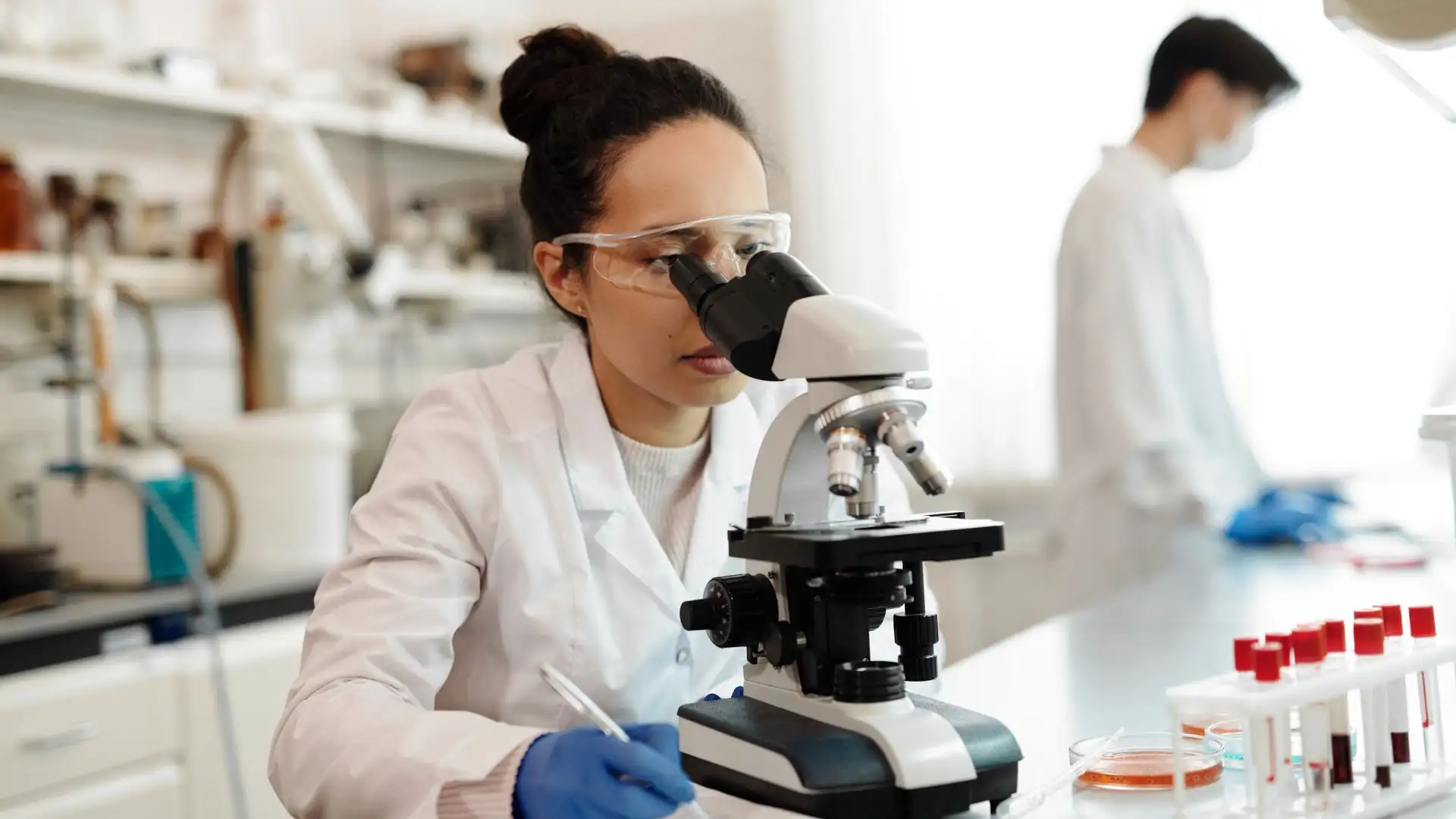
Imagine a dangerous new germ spreading quietly while doctors wait for test results. That waiting time can cost lives. The UK AI Biosecurity Lab aims to cut that wait. It is a new UK government-backed effort that plans to use artificial intelligence to spot biological threats earlier and speed up vaccines and treatments. The UK Cabinet Office announced the lab on Oct 24, 2026. The plan has drawn attention because it pairs public money with major AI company support. This guide explains what the lab is, who funds it, and what it will do first. It also explains what is still unknown.
According to the announcement, the lab is a new effort focused on biosecurity. Biosecurity means work that protects people from harmful biological threats. Those threats can include new infectious diseases and other biological risks. Artificial intelligence can help by finding patterns in large sets of data. Patterns can point to a threat sooner than older manual checks. The lab plans to use that strength for public safety. It is not described as a hospital or a vaccine factory. It will build AI tools for earlier warning and faster response. A warning system does not cure a disease on its own. It gives health teams more time to act and test earlier.

The announcement says the UK government will provide GBP 100m in funding. OpenAI and Anthropic will provide commitments worth up to GBP 200m. Reporting describes those commitments as credits and model access and support rather than cash. Public funding can pay for staff and research work. Company credits and model access can lower the cost of using powerful AI systems. The reporting does not say how support will be split in practice. It also does not say what conditions apply to company help. For now, the government is the cash funder and the companies are major supporters. You can follow broad AI regulation update news to see how public AI projects are governed.
According to the announcement, the first focus is earlier detection of biological threats. Earlier detection means spotting risk signs before a threat spreads widely. The lab also plans to help speed up vaccines and treatments. Speed matters because vaccines and treatments take time to test and make safe. AI tools may help researchers sort useful signals from noise. They may also help teams compare many research paths faster. AI will not replace lab tests or safety checks. Human experts must still test results and confirm safety. AI can review far more data than a small team can review by hand. Until then, the first focus is a stated goal rather than a proven result.
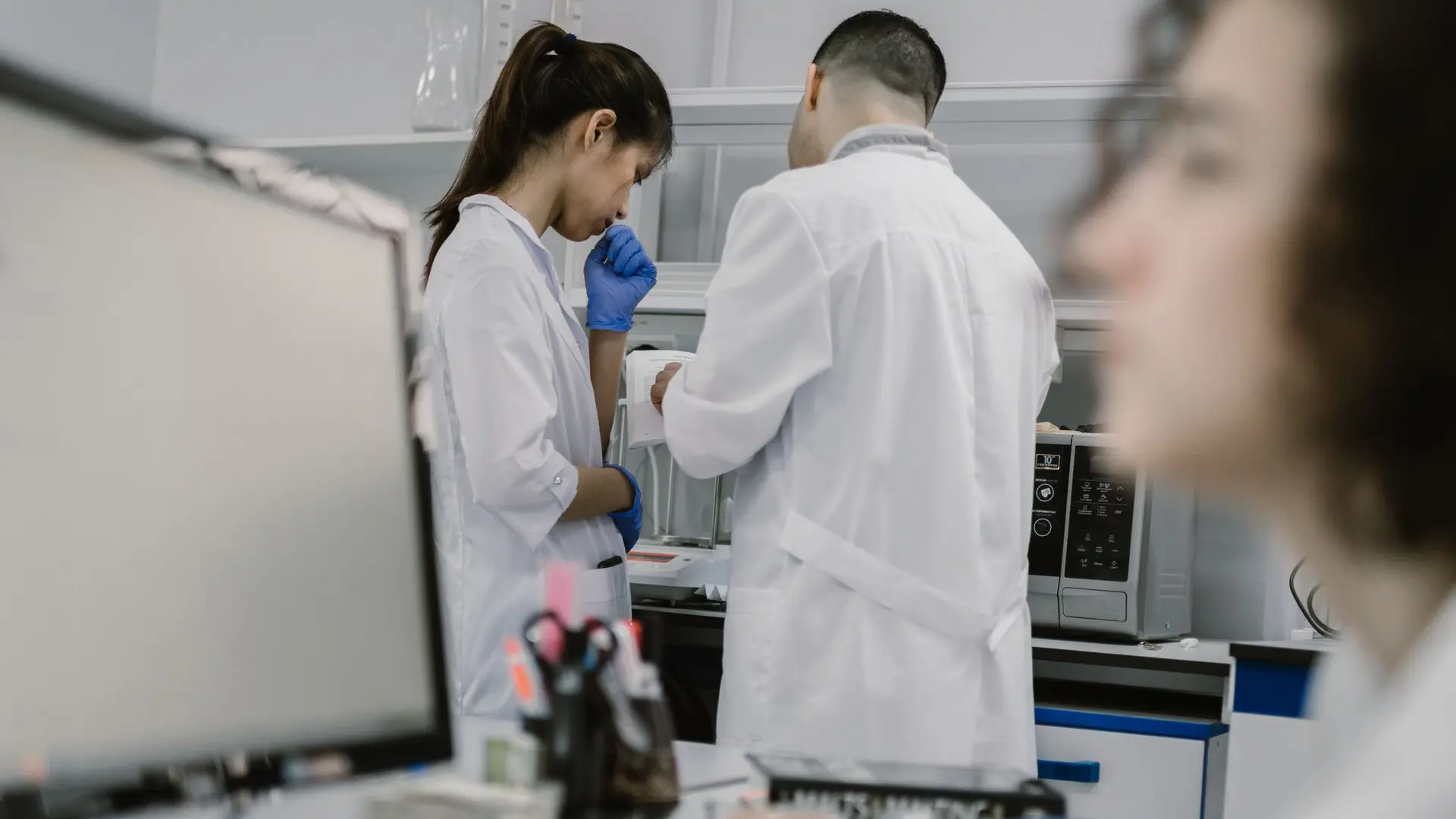
The reporting names Google DeepMind and Basecamp Research as collaborators. Google DeepMind is known for AI research work. Basecamp Research works on biological data and AI models for life science research. Their roles are not spelled out in the reporting shared so far. Collaboration could mean shared research, shared tools, or shared data methods. Readers should not assume that a named collaborator controls the lab. A collaborator can help without running the project. The UK Cabinet Office announced the lab, so public leadership sits at the top. Open sharing would let outside experts check the work. For now, the lab is not a solo effort but a mix of public and research help.
The reporting does not name a director for the lab. It does not name a site for the lab. It does not name a start date for the lab. Those gaps are important for readers. A lab without a named leader or location is still an announced plan. No start date means no firm timeline for first results. No named site means no local jobs or facilities to check yet, and no named director means no single public leader to hold to account yet. Until they appear, treat the lab as a funded plan with a clear first focus. You can read related AI foundation news coverage to see how other large AI efforts are structured.
Put the stated figures together, and the headline changes shape. The government provides GBP 100m, described as funding, while OpenAI and Anthropic provide commitments worth up to GBP 200m, described as credits and model access and support rather than cash. Added together, that is up to GBP 300m in headline value, but only GBP 100m of it is described as cash. The company share is therefore up to twice the government cash amount, yet it is not cash for staff and research work in the same way.
That distinction matters. The reporting does not say how company support will be split, or what conditions apply, so its usable value is still unclear. The same caution applies to Google DeepMind and Basecamp Research, whose roles are not spelled out, and to the missing director, site, and start date. For the UK AI biosecurity lab, the honest summary is a GBP 100m cash plan with up to GBP 200m of non-cash support behind it, not a GBP 300m cash lab ready to open.
Watch for three clear updates. First, watch for a named leader and a start date. Those details will turn a plan into a working project. Second, watch for a clear description of the first detection tools. A useful description would explain what data the tools use and how results are checked. Third, watch for rules on data access and public results. Public funding should come with public accountability. Do not judge the lab by headlines alone. Judge it by named leaders, published methods, and checked results. For official context, see the UK government site and research updates from Google DeepMind and Anthropic’s official site. The UK AI Biosecurity Lab may become an important public safety tool if reporting stays honest.