
 11

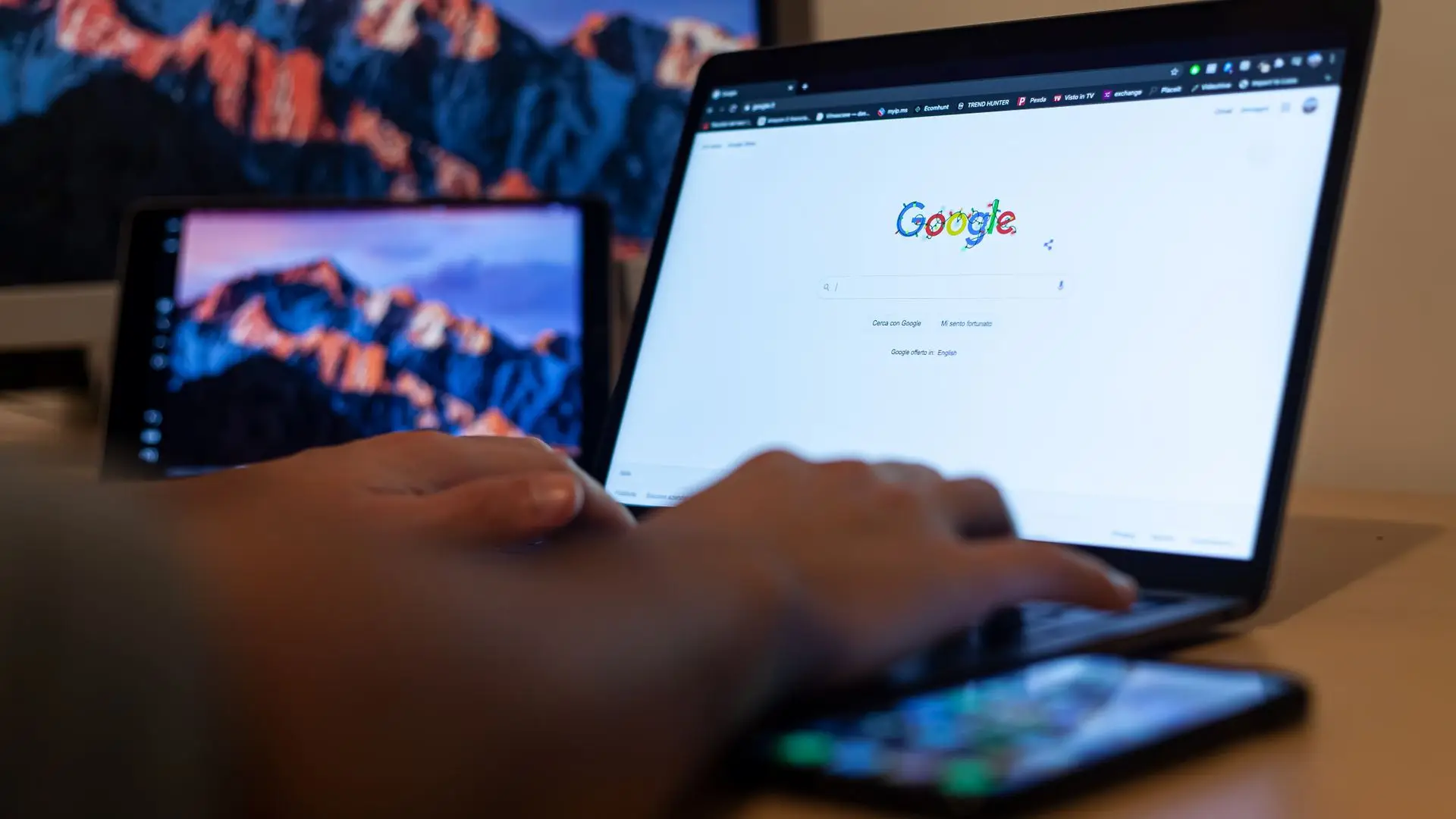
You have probably heard the term SEO a hundred times. But what is search engine optimization in digital marketing really? In simple words, it is the practice of making your website easy to find on Google and other search engines. When someone searches for something you offer, your page shows up near the top.
No ads. No payment per click. Just useful content that matches what people want. In this guide, you will learn how SEO works inside digital marketing and why it still matters in 2026.
Search engines have one job. They must show the best answer for every search. Search engine optimization in digital marketing is the work that helps your page become that best answer. You do this in three ways.
First, you make your page relevant. You pick one clear topic and answer the exact question people type into Google.
Second, you make your page trustworthy. When other good sites link to you, Google sees your page as reliable.
Third, you make your page easy to use. It must load fast and read well on a phone. A slow page pushes visitors away.
For a deeper walkthrough, this SEO beginner guide from Moz covers the same ideas in more detail.

Digital marketing has many channels. Each one plays a different role. Paid ads give fast traffic, but the traffic stops the day you stop paying. Social media builds your brand, but your reach depends on the platform. Email works great but only with people who already know you.
SEO is different. It brings you new visitors who are actively searching for what you offer. A page that ranks today can still bring traffic next year. That is why marketers treat SEO as the long-term base of their marketing. The other channels add speed and reach on top of it.
If you want help picking tools for these channels, this list of AI marketing tools is a useful place to start.
Organic search means the free results on Google. These are the links below the ads. Marketers care about them for one big reason. People trust them.
Most users skip ads and click organic results. An ad says you paid to be there. A top ranking says Google found you useful. That trust is hard to buy.
Organic traffic also comes with clear intent. When someone searches for an answer, they are ready to act. A visitor from a blog post can become a customer the same day.
And the work compounds. One strong article can rank for years. Each new article adds to the last one. Few channels give you that kind of lasting return.

Marketers love SEO because the math works. With ads, you pay for every click. With search engine optimization in digital marketing, you pay once for good content, and it keeps bringing visitors. The cost per visitor drops over time.
SEO is also easy to measure. Free tools show you which pages rank and which searches bring clicks. You can see exactly what your effort earned. That clarity makes budgets easy to defend.
Think of it this way. Ads are rent. SEO is ownership. Rent gives you a place today. Ownership builds value that stays. Smart marketers use both. They use ads for fast wins and SEO for steady growth.
For the official basics, read the SEO starter guide from Google. It explains every step in plain language.
Search is changing fast in 2026. Google now shows AI Overviews that answer questions right on the results page. Tools like ChatGPT and Perplexity act as new search engines. Some marketers worry this kills SEO. It does not.
So what is search engine optimization in digital marketing in 2026? It is the same core work with a new audience. AI answers pull from the same trusted pages that rank well. If your content is clear and useful, AI tools will cite it. The fundamentals still win.
What changes is how you write. Use clear headings. Answer the main question early. Share real experience and original details. Avoid thin pages that say nothing new.
The sites that win in 2026 are the ones that help readers first. That has always been the point of SEO.
To go deeper, read this AI search guide.
Search engine optimization in digital marketing is simple at its core. You create pages that answer real questions and make them easy for search engines to understand. You earn trust over time. The traffic compounds and the cost per visitor falls.
Your next step is small. Pick one page on your site. Rewrite its title to match what people search. Answer the main question in the first hundred words. Then watch how it performs. One page done well teaches you more than ten guides.